Tel: 86-13714846716

- Bus Passenger Statistics System
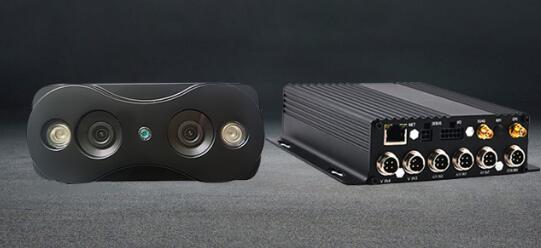
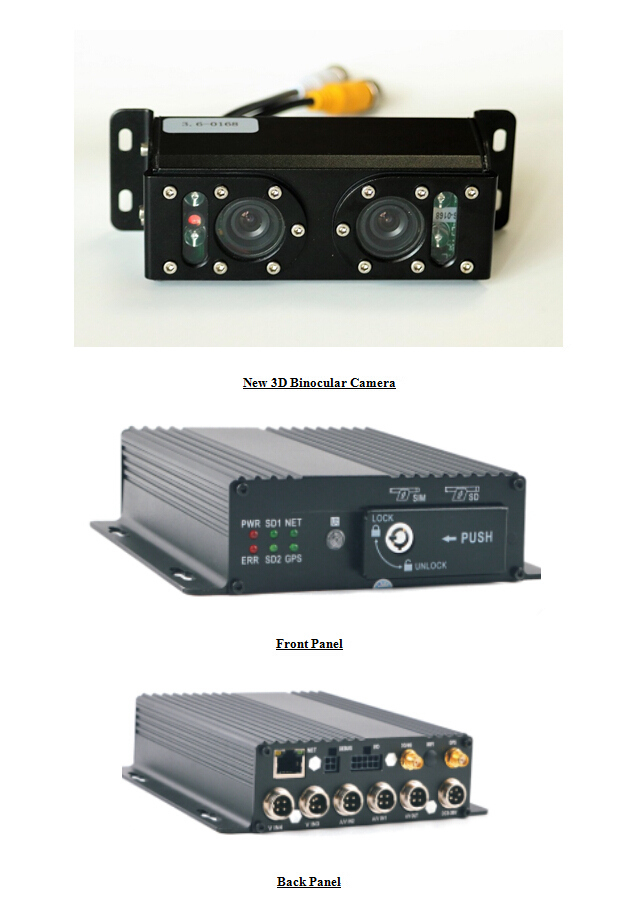
* High precision counting accuracy (>97%).
* Popular Hi3520D chips solution.
* Rich RS-232 for external devices.
* 4CH Video Input, 2CH Video Output.
* Really Vandal-proof & EMC for buses.
* Excellent power protection 9-36V,10A max.
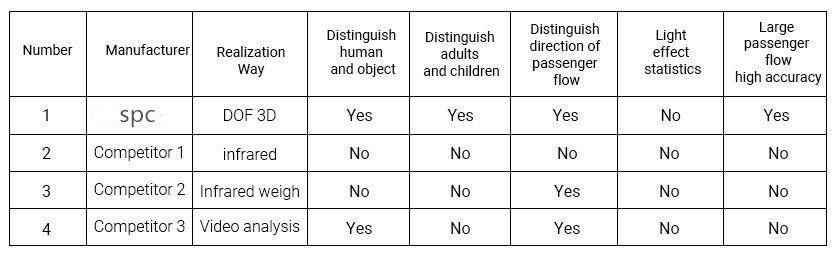
* Effectively distinguish bidirectional moving, shoulders, retention, wandering, luggage, etc.
* Well-tested design in thousands of buses over the world.
* 195-300cm (height), 80-300cm(width).
* Easy setup and connection to IPAS system.
* 300,000pcs of records saved in memory.
* Smartly Resent records when network is lost.
* 30-90MB data plans only every month.
* Used in step environment.
* Built-in 3G/WIFI/GPS optional.
* Max 4bus doors with combination of counters.
Main Interfaces:
* RS232×1pairs.
* RJ45×1 Ethernet port.
* 3IO Input.
Power Supply:
* 3D Binocular Camera:≤3 W.
* BPC-V1 ≤ 8W.
* BPC-V2 ≤ 11W.
Environmental:
* MTBF:>6000 hours.
* Temperature range:-25~+55℃.
* Relative Humidity:10% - 90%.
* Heat radiating: Passive heat output(natural cooling).
Features:
* 720P AHD CMOS Sensor.
* Effective pixel 1280*720.
* IP 65, Dust proof.
* 0.05 Lux (LED is OFF).
* Metal IR-Cut.
* 12V DC input.
* 180×64×55 mm (L×W×H).
-
After the vehicle arrives at the station, the system detects the door opening signal.
-
2. The passenger model collected by the system through the upper and lower door collection devices, through the passenger flow statistics device.
-
3. Passenger identification analysis and counting.
-
4. Stop counting after the door is closed.
-
5. Combine the current time information, site information and other data for summary association.
-
6. Upload the passenger flow information of the station to the central platform.
-
7. Not only locate the moving passengers, but also determine the height of the passengers, distinguishing between children and adults.
-
8. The function value of bus passenger flow is realized by the platform, which mainly makes the management personnel understand the passenger flow situation and the change law of passenger flow. Vehicle scheduling is reasonably based on data rather than taking it for granted. Avoid overcrowding and long waiting times for passengers, resulting in poor experience. Avoid running vehicles and too few passengers, resulting in high operating costs.
-
9. Understand whether the actual passenger flow and the charge collected is equivalent.
-
-
-
-
-
-
-
-
-
-
-
-
-
-
-
-
.jpg)
-
-
-
-
-
-
-
-
-
-
-
-
-
-
-
-
-
-


